

Mesothelioma
Malignant mesothelioma develops in the thin layer of tissue that covers most of your internal organs. The majority of mesothelioma cases take place in the lining (pleura) of the lung. Other, less well-known forms can be found within the lining around the testicles or the heart.
Treatments for mesothelioma can help to stop the spread of cancer, and relieve symptoms. Your doctor will decide the best treatment option for you according to the stage of your mesothelioma.
What is Mesothelioma?
Mesothelioma is a form of cancer that develops within the lining of organs inside the body. Exposure to asbestos fibers is the reason. People who have been exposed to mesothelioma comprise those working in various trades, including construction, shipbuilding and auto repair. A large number of mesothelioma sufferers are military veterans who were exposed to asbestos at work in the service.
The initial signs of mesothelioma can be fatigue and breathing problems. The condition can cause pain when tumors press on organs and nerves. Tumors may also cause an accumulation of fluid, a condition that is sometimes mistaken for lung cancer or other respiratory conditions.
To prevent mesothelioma, it is important to have regular medical testing for exposure to asbestos and other illnesses. However, doctors often do not discover the disease until it has advanced. This can cause lots of pain for patients as they aren't able to receive treatment until they reach the final stages of mesothelioma.
Once mesothelioma is found it's treated with radiation, chemotherapy or surgery. The treatment is based on the stage and location of the cancer. The three major types are epithelioid mesothelioma, sarcomatoid mesothelioma and biphasic. Each type has a different survival rate, however they are all difficult to treat.
Researchers are experimenting with ways to detect mesothelioma at an an earlier stage. One test could measure the release of a biomarker by mesothelioma into the bloodstream. This can help doctors identify the disease earlier and begin patients on the right treatment strategy. There is currently no recommended screening test for Mesothelioma. X-rays and CT scans can reveal suspicious lumps or swelling, but a biopsy is necessary to determine if these are mesothelioma or a different illness.
Signs and symptoms
Asbestos fibers inhaled may cause irritation to the lung lining (pleura). As time passes the pleura may develop cancerous tumors. Cancer cells may also spread to other areas of the body. Most commonly, they will reach the abdomen or the heart. Benign mesothelioma which is not a type of cancer, but may cause symptoms similar to malignant mesothelioma, is not a cancer.
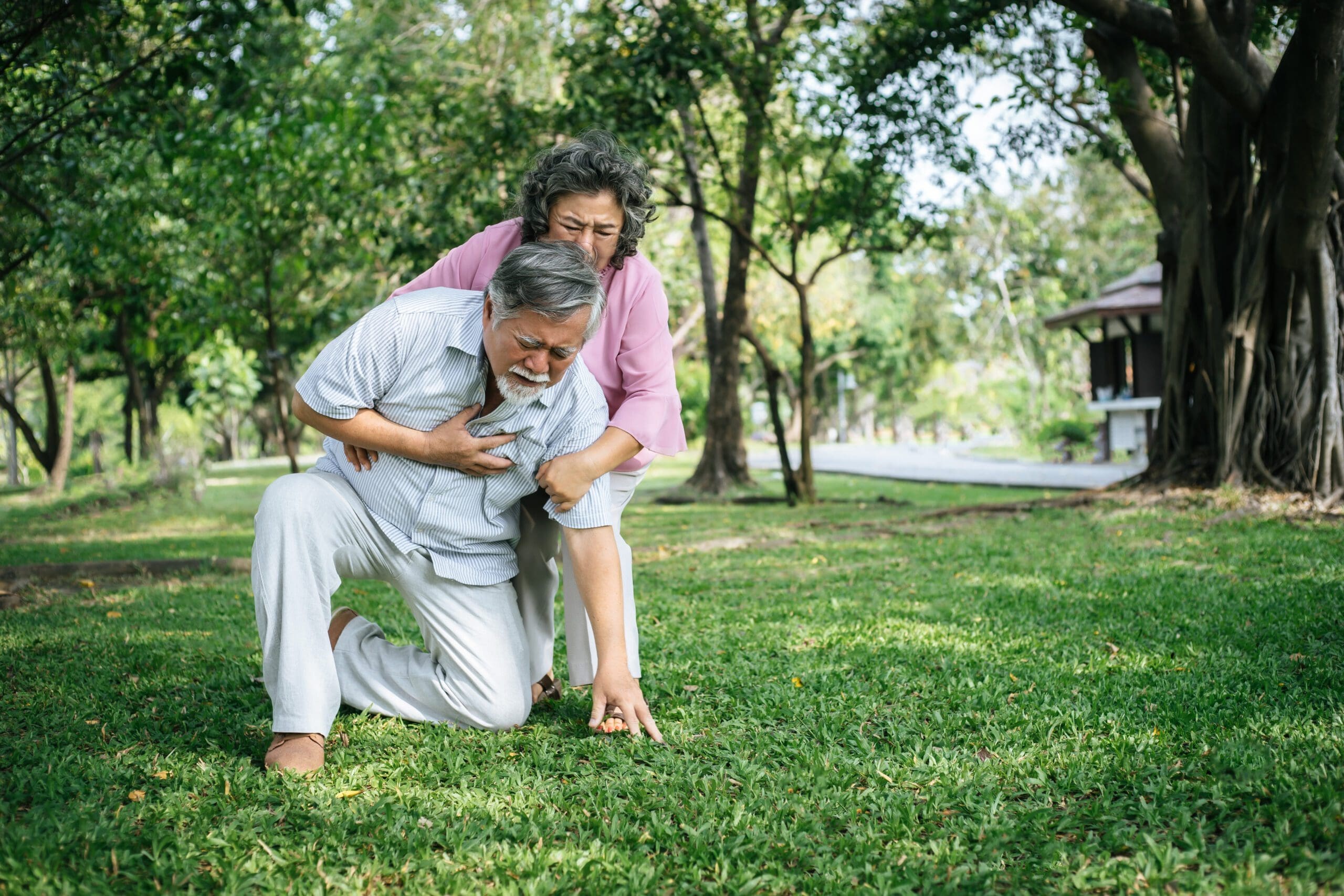
Breathing problems chest or back fatigue and pain are the most frequently reported mesothelioma symptoms. The symptoms depend on where the tumor starts in the pleura, and the mesothelioma type.
About half of mesothelioma cases start in the lungs (pleural mesothelioma). The rest start in the abdomen (peritoneal mesothelioma) or in the reproductive organs of males and women (pericardial mesothelioma).
Doctors can diagnose mesothelioma with imaging tests like CT scans, PET scans, and MRIs. However, a biopsy is needed to confirm the diagnosis of mesothelioma and determine the type of cell. A biopsy is performed by inserting a needle inside the tumor and removing the tissue sample to be examined using microscope.
If diagnosed with pleural mesothelioma, doctors can help patients manage their symptoms by draining fluid around the lungs. This is done using a procedure called thoracentesis. In some cases, doctors can place a small tube in the chest that allows patients to drain extra fluid at home with the help of instructions from their doctor. Pleurodesis, which seals the layers of the pleura to prevent excess fluid buildup, can also help patients breathe easier. In addition, patients who need relief from pleural effusions can be placed on a peritoneal mesothelioma trial to see if a treatment can help them manage their symptoms. The American Cancer Society also has a database of mesothelioma support resources, including patient lodging programs and ride-to-treatment services.
Diagnosis
To be able to identify mesothelioma you should first consult a doctor to discuss symptoms such as breathing difficulties or chest discomfort. The doctor will inquire about your asbestos exposure history and perform an exam. They may also order imaging scans to check for abnormalities in your abdomen or chest. Mesothelioma is rare, so it can be difficult for doctors to recognize. Many mesothelioma symptoms resemble other diseases and illnesses. It is essential to see a specialist diagnose you to ensure that you receive the right treatment.
Only a biopsy can confirm mesothelioma. lung cancer from mesothelioma or other healthcare professional takes a small amount of tissue or fluid from the affected area to study it under a microscope. The skin of the patient is numbed prior to the procedure.
A pleural biopsied procedure is performed on mesothelioma patients who have chest fluid accumulation (pleural effusion). This is the most common form of mesothelioma biopsy. This involves injecting an anesthetic prior to inserting a needle into the affected area to collect samples of fluid or tissue.
Other types of mesothelioma biopsy include video-assisted or camera-based biopsies and an open surgical sample. Doctors may use a thoracoscopy, or laparoscopy in the event that the pleura is infected by cancer. During these procedures doctors insert a viewing device into the affected region. They then take diagnostic samples and ease the symptoms of the accumulation of fluid in the lung. A peritoneal biopsy can also be carried out to determine if mesothelioma is present in the abdominal cavity, where mesothelioma patients often suffer from nausea, vomiting, and abdominal pain. Doctors can also drain the abdomen of a patient with an indwelling pleural drainage.
Treatment
There are a variety of options for treating mesothelioma. Your doctor will determine the treatment plan that's right for you. You might want to improve your quality of living or cure your cancer as your goal for treatment. The type of mesothelioma that you have, where it is situated in your body, as well as your general health will determine your treatment options.
Surgeons can remove mesothelioma when it is diagnosed in its early stages. In certain cases this procedure can be able to be the cure for the cancer. After a cancer diagnosis, surgery can be used to reduce symptoms and reduce the spread of cancer.
For mesothelioma which isn't removed surgically, chemotherapy (a medication that eliminates cancerous cells) is often used alone or in combination with radiation therapy. Radiation therapy is a type of therapy that uses high-energy rays to kill cancer cells or help your immune system eliminate them. Your doctor might recommend immunotherapy in the case of advanced mesothelioma to boost or re-establish your immune system's ability to fight cancer. Two kinds of immunotherapy can be used to treat mesothelioma: Nivolumab, also referred to as Opdivo (Opdivo) and ipilimumab, or Yervoy (Yervoy).
New treatments are constantly being developed when mesothelioma has returned after treatment. You may want to consider participating in a clinical trial of a novel or better mesothelioma treatment. There are mesothelioma support organizations available that can connect you with doctors who have experience treating people suffering from this disease. A strong support network can help you manage the mesothelioma-related side effects and keep up with appointments. Having a good attitude and staying positive will help increase your chances of surviving.
Prognosis
The prognosis for mesothelioma depends on a variety of variables. The type of mesothelioma, its stage and the rate at which it spreads all play a part. Survival can also be affected by the treatment plan and the general health of the patient.
Mesothelioma doctors use a staging system to help determine a person's outlook and mesothelioma treatment options. The stage of mesothelioma is based on the results of a physical exam, biopsy and imaging tests. A person's stage is given a number from I (1) to IV (4), with the lower numbers meaning less of the cancer has spread. A person's mesothelioma is also classified based on whether the tumor is epithelioid, sarcomatoid or biphasic. Epithelioid mesotheliomas are easier for doctors to recognize and treat, while sarcomatoid mesothelioma is more difficult to treat and has a worse prognosis than biphasic mesothelioma.
A patient's mesothelioma can recur after treatment. Recurrence is a term used to describe it. It may occur in the same area of the body from where the mesothelioma first began or it could extend to other areas of the body. Mesothelioma recurrence is treated with chemotherapy or other types of treatments, depending on where the mesothelioma recurs.
A mesothelioma sufferer's quality of life is impacted by symptoms, such as breathlessness and chest pain. In some instances, surgery can relieve these symptoms. This is usually a minimally-invasive procedure known as VATS (video assisted thoracoscopic surgical). Those who cannot have surgery will likely receive supportive care, which includes medications to manage symptoms and reduce fatigue. These medications can be inhaled or delivered through tubes (called a "pleural drain") in the chest. The pleural drain is removed a few times per week to avoid the build-up of fluid and improve breathing.